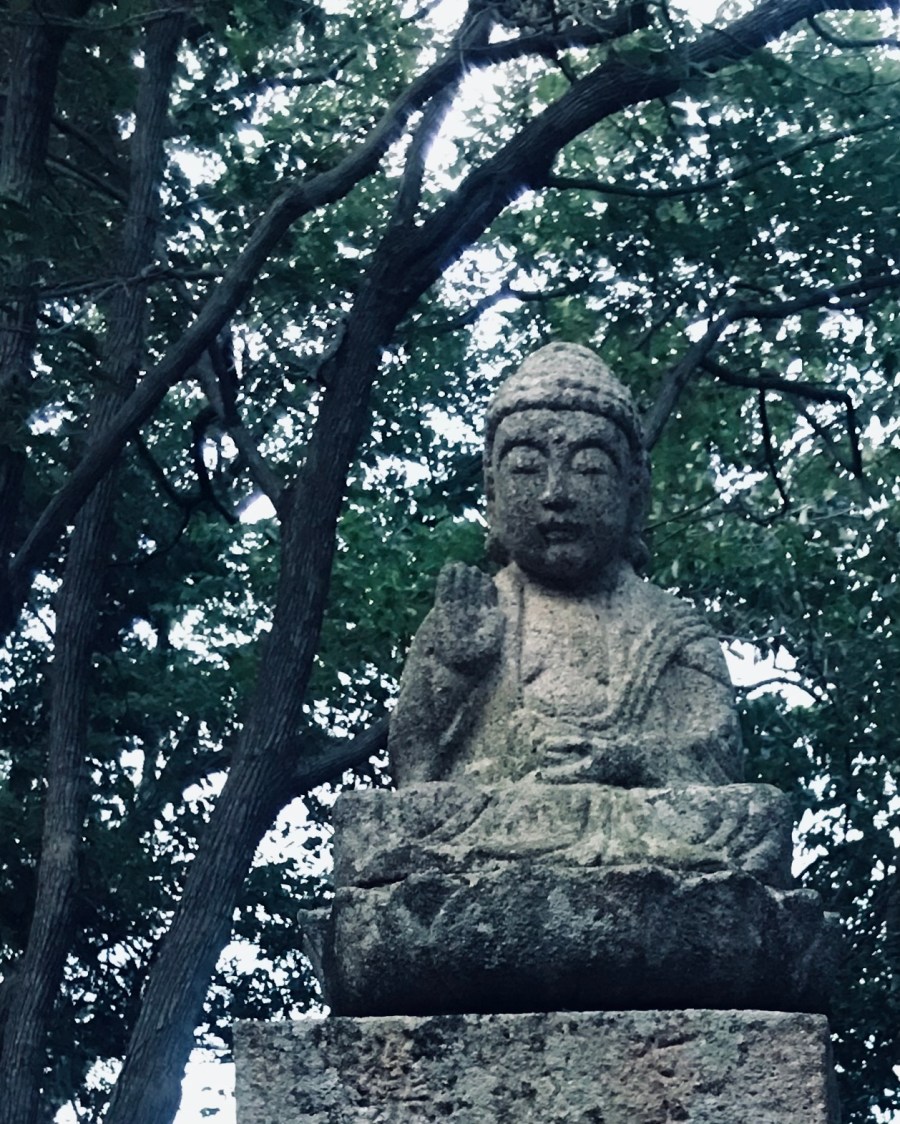
contentment
micropoetry for a rainy day
sometimes
we just gotta b r e a t h e
and be
okay
with just being.
sometimes
we just gotta b r e a t h e
and be
okay
with just being.
this body
in the soft folds of kimono
also creases
gently
without resistance
to earth and to drifting stars
this body breathing, obi-bound, is a delicate dance
like butterflies in the wind
like waves of the ocean
rising and falling
weaving together all the days and all the nights into one endless strand
step after step
fold after fold
crease after crease
this body is singing
and dreaming
is birthing
anew
worlds of beautiful
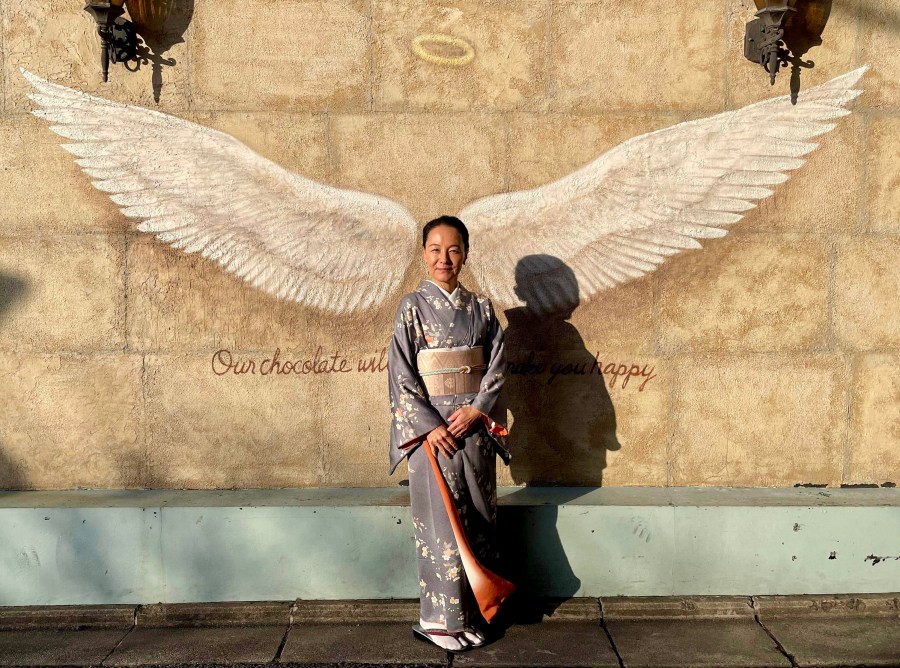
i want to fly with wings
like the angels
full of light and love and peace
beautiful
and in the divine wind, dance
like the starlings
precise, purposeful, impeccably wild and free
in spite of all these tears
the hardship and the heartache
in spite of our wars and endless trauma, catastrophe, disaster and destruction
i want to fall
again and again
like the drunken fools
madly in love with this world

while the world carries on
with its wars
waging in the hearts and minds of legions
and for eons
without, seemingly, an end
while the sun toils on and the moon weeps
for all our innocents buried underneath the trees
i want to stay here softly
in the darkness and in the silent night
i want still
in light of the shadows
this dance
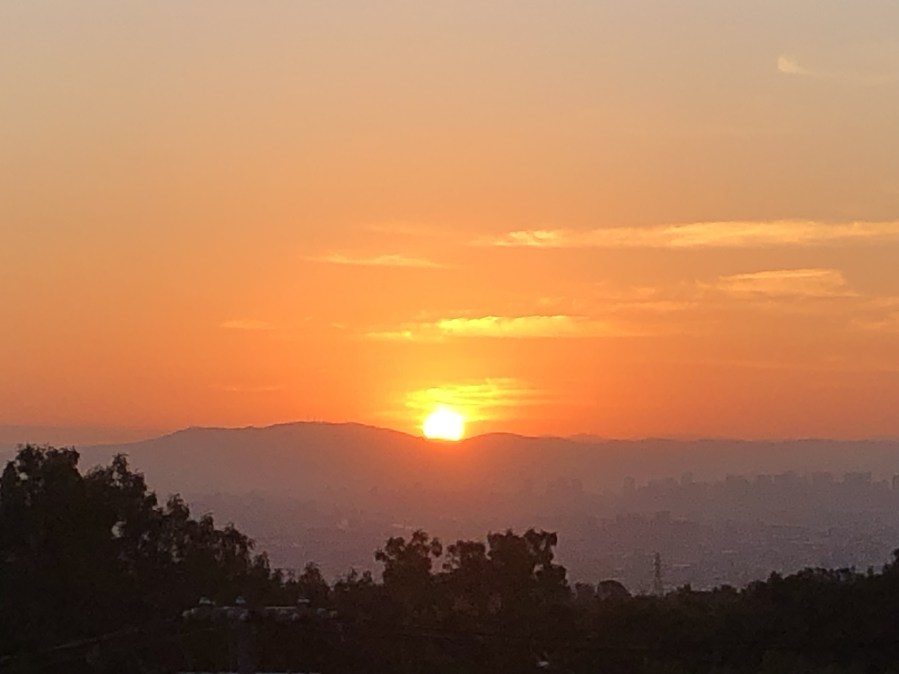
I came to realize that my mother is the sunrise. That it was she who created me, and that it was her love that brought me into this world. A fact so simple and so obvious that I had failed to notice it before. Like the air we breathe needs no explanation; we simply breathe. Suddenly, I came to know Gaia. Changing Woman and the beauty of Kinaaldá* came running home, light-footed and swift, to me. The sacred fire of Amaterasu danced inside of me. Women are creators. We are life.
In the beginning, my mother created me.
Each day my mother was in the hospital, I took a photo of the sunrise and sent it to her. It was only after the third or forth day that I realized what I was doing and decided to continue until she was strong enough to come home. And she did come home, finally… after being on the brink of ICU, after IVs and antibiotics, after nasal cannula and swollen legs and a pain which she described as the devil dancing in her body. After she heard a woman’s voice saying that she had come to get her…
But my mother is home now and recovering. And she is rising with the sun each day.
On the first morning my mother was back home from the hospital, I took a photo of the sunrise and sent it SMS to her and then went downstairs and walked into the kitchen. There she was, looking out the window into the garden and enjoying the same sunrise. I gave thanks for her life, and for mine together with hers.
My mother is the sunrise.
*Kinaaldá is a coming of age ceremony in Navajo culture in which girls come to embody the life-giving and healing qualities of Changing Woman (Asdzáá Nádłeehé); they become Changing Woman herself.

I wrote the above haiku and reflection below about two and a half years ago. With the recent outbreak of war between Israel and Hamas, I thought it apropos to share this again. May a world of peace for everyone dawn—pink and soft light over the horizon of darkness.
From Aristotle to Einstein, philosophers, artists and poets over the ages have spoken about the power of imagination. In some regards, it is lamentable that we often perceive knowledge as an accumulation of so-called objective “facts”, and imagination as a kind of unreal world of dreams. But the creation of anything and everything always starts with the imagination. So what then actually, is imagination? Is it not the source of everything?
Since its creation in 1971 by John Lennon and Yoko Ono, the famous song “Imagine” has been invoked worldwide in a shared desire for humanity to transcend differences and to live “life in peace”. You may say that imagining world peace has not created it; however, in the act of imagination, in stating and singing and sharing the dream, are we not creating the real experience of peace within our own hearts and together with others? When we imagine peace, we experience it. Likewise, when we imagine violence, we experience it. What we imagine, we experience. What we imagine, we become.
We are all dreamers—it is our birthright and our true nature. So why not dance and dream together, for a world of peace? We are our dreams. May they be light.
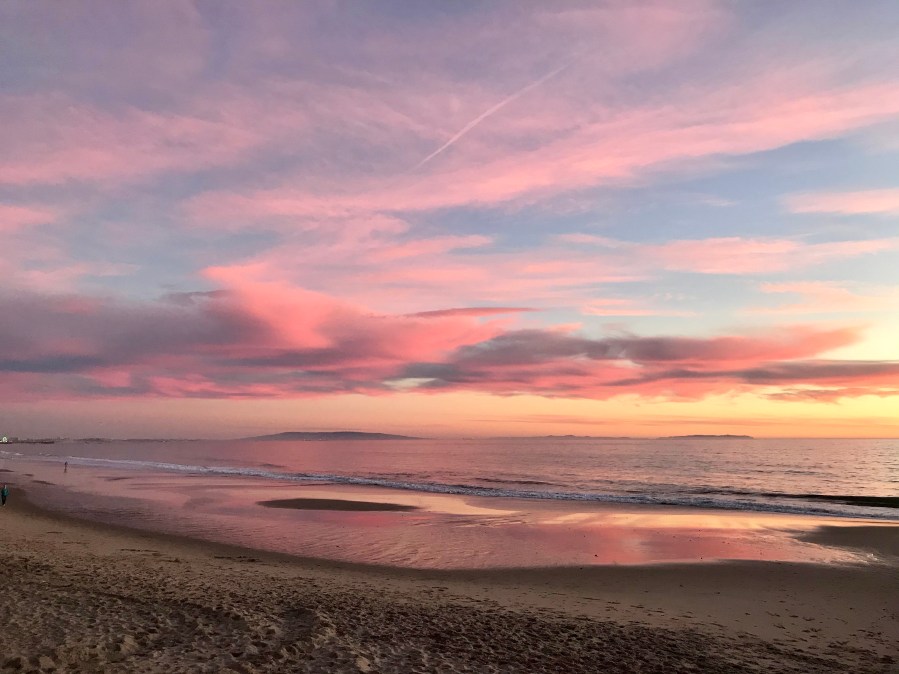
Leaning into the wind with my bodyweight of eleven years, I was determined to keep moving forward, one small step at a time. The faraway horizon beckoned like the moon to the sea… while the wind, the relentless wind streamed into this wide and wild valley between snow-covered mountain tops. Steeped in the Himalayas somewhere, I knew, I just knew that if I persisted, that if I listened long and hard enough, I would be able to understand the elusive language of the wind. Something of its power and age-old wisdom would be revealed to my pounding heart and my little soul. Tibet was seemingly just over there, close enough to touch. I would keep walking the path forward, I would keep listening, and someday, surely someday, I would understand wind.
Twenty years later, a fire dance ceremony, Navajo Nation:
We are huddled in the black night, with blankets wrapped snugly around shoulders for warmth. Wind blows cold across my face, then warm smoke and sparks from the burning logs. I have lost track of time as i watch the dancers with as much alertness as possible in the long night, trying to remember patterns, movements, dancers and dresses. Standing next to me is one of the young Diné dancers i have met and talked to not long ago. He is kind, checking to see if i am warm enough. Then he asks if i have noticed the wind. Yes, i reply i have felt that it is cold. But, he inquires, have i noticed how it travels? How it has come from the east, then from the south, west, and finally north? How it has traveled through the long night of dancing? My heart shifts as he so suddenly and so simply shares with me poetry of which i had been illiterate just moments before. And the poetry is in his telling as much as in the traveling of wind. It is softness, a certain warm glow of speaking that belies true love for the poetry of wind. Kinship, and a softness of the heart.
Wind, I would come to realize, is consciousness—the one mind of mother earth in constant motion. Wind connects us all. If we still and settle into our hearts, patiently, we will understand that wind is a beautiful mind moving through us. Our very breath. Life force. Love. And dance, I would come to realize, animates the wind. Like trees, we breathe and are being breathed.
So when all else fails, dance. At the edge of the world and after apocalypse, dance.
zephyr
you are the soft light of pink day
and, you are the song of the sky
in which i, although splintered
still fly
and, still dance
in all my midnight dreams, scattered and sweet

dance is power
and an enigma, born
within this body primordial
this body animal and human
birthed in the flesh, blood and sinew
sweat, and an exhale
this body
naked raw and real exhibits
all that is
its fragility and eloquence unveils all that is
beautiful and terrible rich elegant and grotesque
life’s fabric
textured tight
unravels stores spun by fate
and by chance
by the known and the unknown
dancing
this body suspends stories in the passing light
of time
eternal and transient
this body dancing is poetics
movement and stillness entwined and
in the folds of love
the present
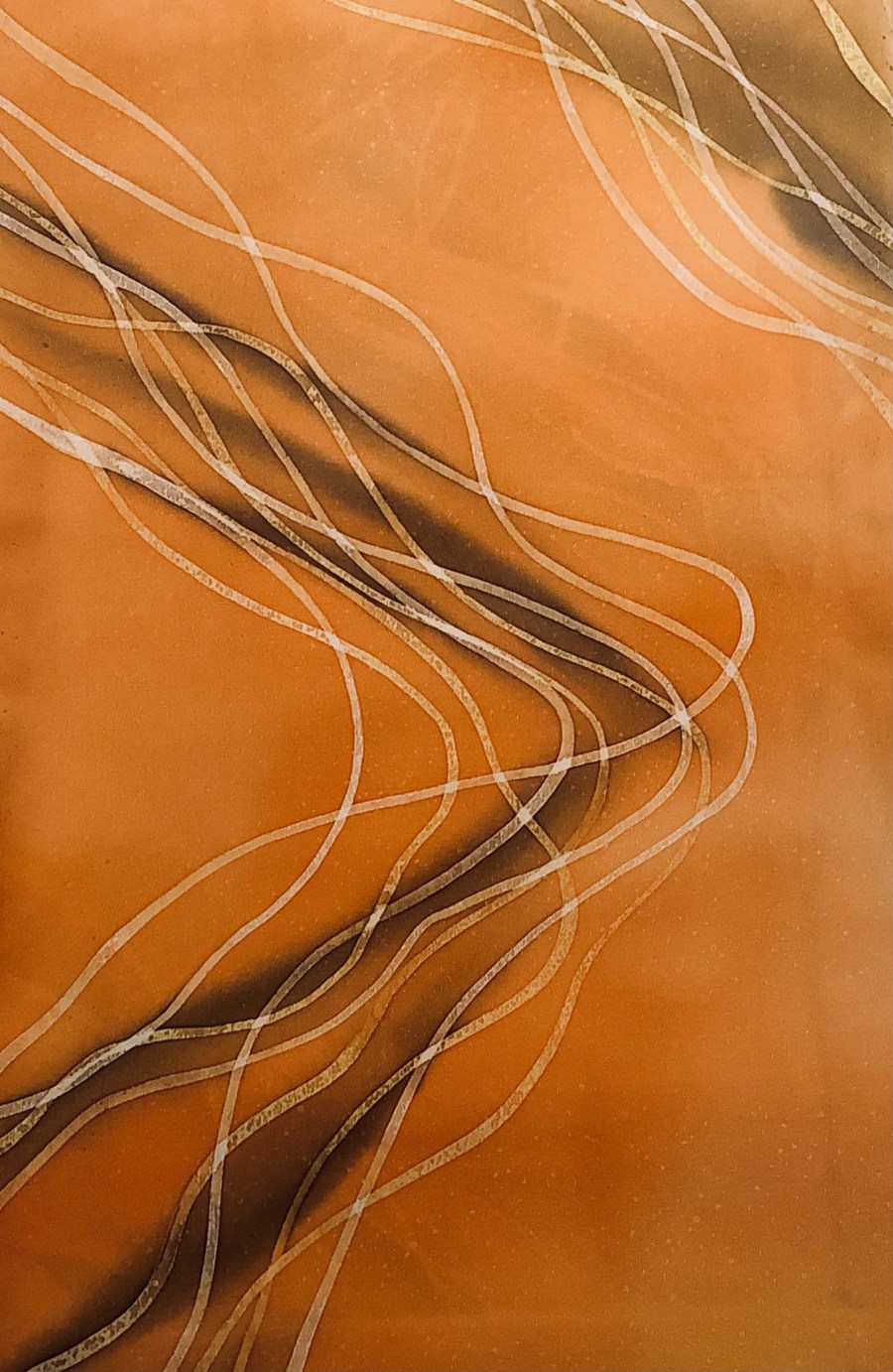
*art by yours truly
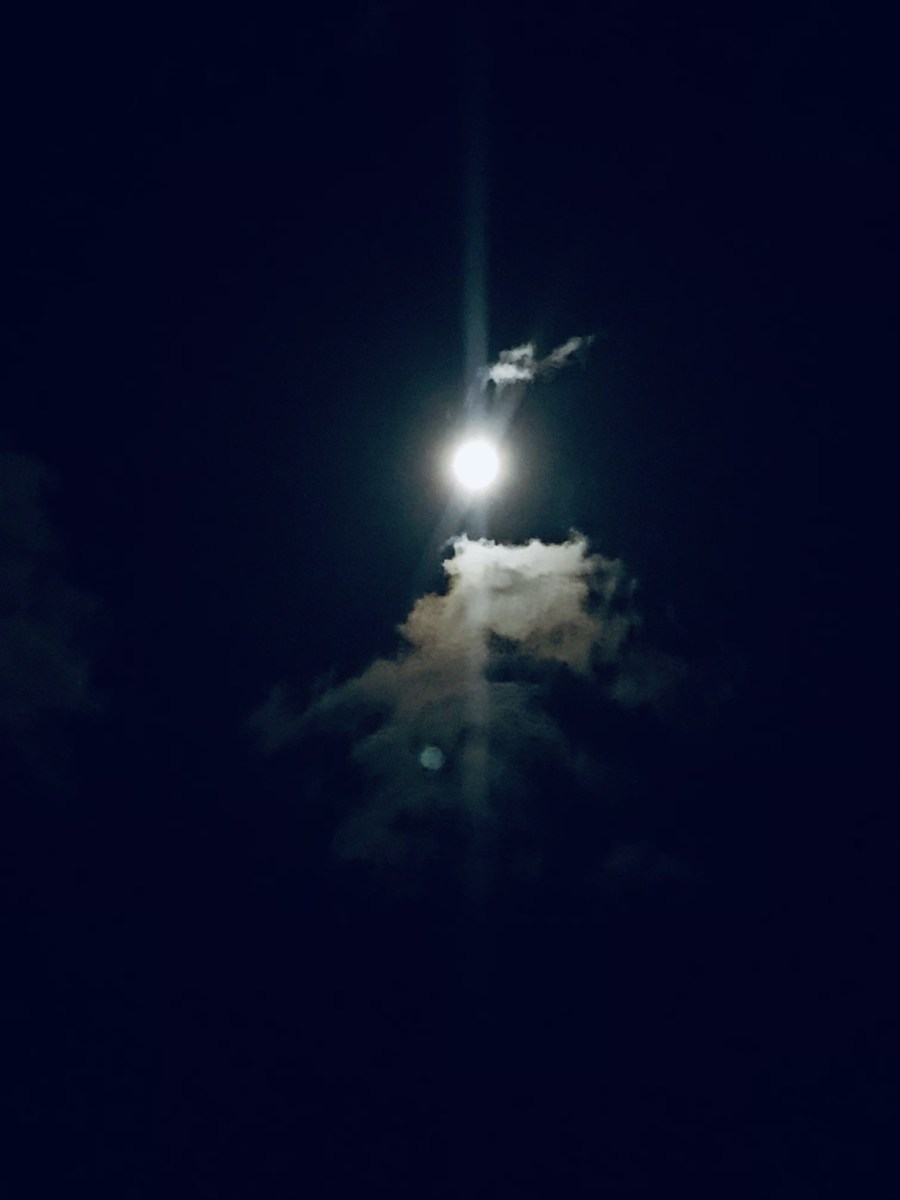
i once differentiated between worlds…
between something so-called normal, and
something other like magical
i knew the difference between
the everyday world and the extraordinary world
between fact and fiction
between reality and fantasy
but then…
you came into my life
you came dancing, spinning and singing, and yes…
turning
turning everything upside down, and
inside out
like the rabbit on the moon
you made me see anew
the extraordinary in the everyday
the fiction in fact
fantasy in reality
and now…
every day is magical
with you in my life
magical is everything, and is
my one world
and is
my new normal
with you
Dear Reader,
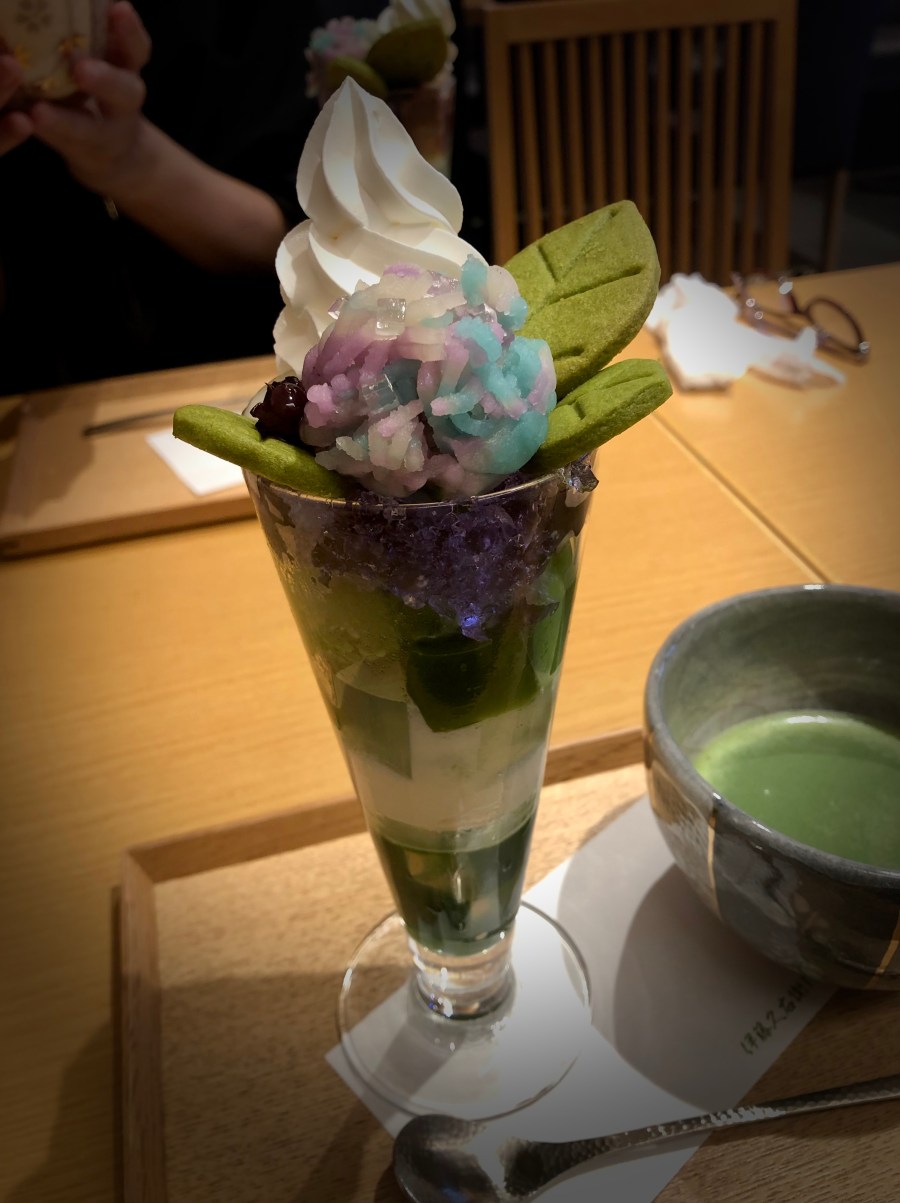
Have you been enjoying your summer thus far? Or whichever season that now belongs to your part of the world? I must admit, and I’m terribly sorry, that I have been slightly—or quite a lot actually—distracted as of late. It’s no excuse to be derelict in my weekly blog writing, I know, and I apologize profusely! Please forgive me. It’s just that, well, you see… ahem, have you ever been to Japan? Have you ever eaten a matcha parfait?! And not just any matcha parfait, but one in Kyoto, in Gion Kyoto? If you have, then perhaps you can excuse my weak-willed writing (or lack thereof) this past month and accept my humble apologies, knowing full well that there truly is nothing better on earth than eating an exquisite matcha partfait in Gion-Kyoto! And what’s more?! I have been altogether swept up by the Wagashi Diet!
All joking aside, the above sentiments are not entirely in jest! I do truly love wagashi, Japanese sweets, and appreciating them and the cultural milieu in which they are steeped actually can be a kind of satori, an enlightening experience! And I have indeed been eating more of a “wagashi diet” while visiting family and friends in Japan this summer than I would like to admit. Of course I ate many other kinds of delicious Japanese foods too: soba, tempura, sushi, takoyaki, somen, oden, yuba, namafu, udon, onigiri, dashimaki tamago, gomadofu, etc. to name a few… If for no other reason, visit Japan for the food. It is absolutely worth it.
To be even a little more serious and precise, matcha parfait is not wagashi, which should be defined as traditional Japanese sweets, but is rather a Japanese-style parfait. From where does the parfait originate?! I haven’t the slightest clue, but it is from the Japanese lens, a “Western dessert.” For convenience, I have rather erroneously and sacrilegiously lumped together all sweets in Japan as wagashi! 😱 True wagashi will be seasonal and is typically paired with a cup of tea or matcha (the tea which you can see to the right of my parfait). In the photo the round, purple, blue, and white ball on top of the parfait is the actual wagashi, whereas the rest are…. parfait ingredients? Is wagashi piled on top of a parfait still wagashi? That is a discussion for another time!
This particular purple, blue, and white wagashi sitting atop my parfait is designed after hydrangea flowers which blossom abundantly during the rainy season in June, and therefore the parfait I had was a seasonal speciality, in keeping with the true nature of wagashi. The hydrangea wagashi, its colors, textures, and flavors, together with matcha, invokes the soul of the flower. We experience delicate sweetness and slightly bitter green leaves; the cool, light breeze and sound of soft rain surrounds us. We sense the damp earth blossoming into a riot of purples and pinks, blues and greens, and yellows.
Four years ago, in the month of June, I wrote of following line:
When we dance the mountains sing inside us and we bloom into a riot of wild flowers.
After practicing dance in the Kyoto countryside with lush green mountains in view, I enjoyed eating hydrangea wagashi together with our small group. It was satori—we truly are the mountains, the wind and flowers, the soft falling rain. We sing, and we are sung.
Shall I forgo my “wagashi diet” in the name of good health? Perhaps not!😁
Wishing you respite from distraction and busyness. I wish you the abundant blessings of the season. I wish you beauty. May you have an appetite for it all.
Yours truly,
Michiru Adrienne
p.s. My blog posts will resume on a more-or-less weekly basis from now on. Thank you for reading!
 Michiru Adrienne